

Five Years After Sarah Everard: Has the Metropolitan Police Done Enough?
Five years after Sarah Everard’s murder by a serving Metropolitan Police officer, questions remain over whether reforms within the Metropolitan Police have meaningfully improved women’s safety across London.
A case that changed the conversation
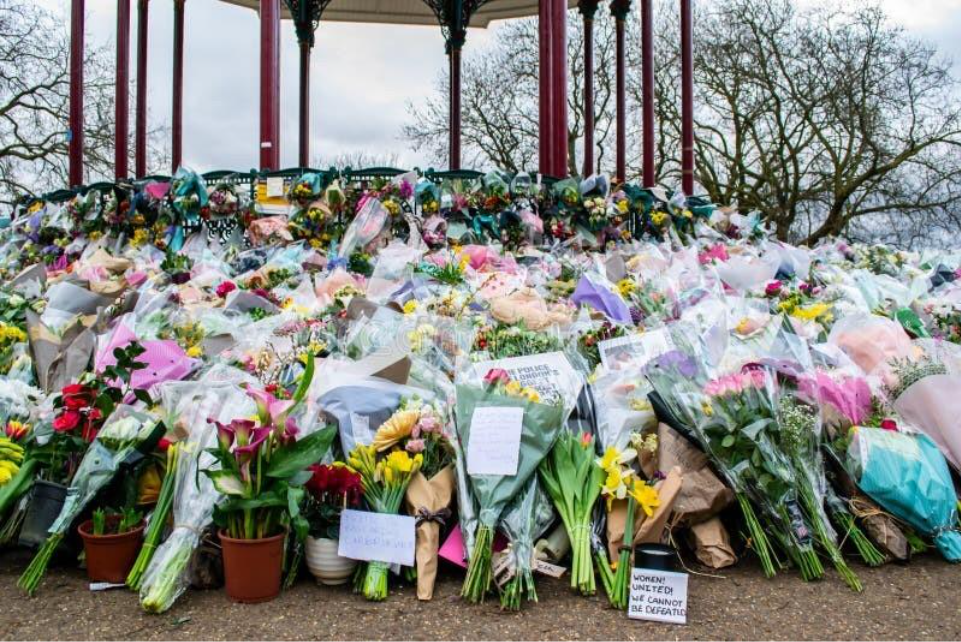
The murder of Sarah Everard in March 2021 shocked the UK and triggered a national conversation about violence against women and girls (VAWG). Everard, a 33-year-old marketing executive, was abducted and murdered by a serving Metropolitan Police officer while walking home in south London.
The case sparked widespread protests, vigils and calls for systemic change within policing. It also raised serious questions about how someone with previous allegations of sexual misconduct could remain a police officer.
In the immediate aftermath, the Metropolitan Police promised significant reforms. Senior officers acknowledged that restoring public trust, particularly among women, would require structural changes, stronger oversight and better handling of sexual violence cases.
The Met’s reforms
Since 2021, the Metropolitan Police has introduced several initiatives aimed at tackling violence against women and girls. Central to this effort is the force’s VAWG Action Plan, which prioritises offences such as rape, domestic abuse, stalking and harassment.
According to the Metropolitan Police, hundreds of additional officers and staff have been moved into specialist public-protection roles, designed to improve investigations and victim support.
However, in a statement five years on, the Met’s commissioner, Sir Mark Rowley, has acknowledged that some women still do not trust the police following Everard’s murder. Claiming this tragic case had caused “profound damage on the trust Londoners should be able to place in their police service.” He said to the BBC it would take time to “root out” dangerous officers and rebuild confidence in the force.
The force has also launched data-driven approaches to identify high-risk offenders and strengthen investigations. Now doubling vetting failure rates and has removed 1500 officers and staff in three years and have reexamined a decade’s worth of allegations of sexual and domestic abuse involving Met officers and staff, and forced a change in the law to enable us to remove them
Supporters of these reforms argue they demonstrate that the Met has taken the issue seriously. They say stronger investigative capacity and a focus on repeat offenders represent meaningful progress.
Ongoing concerns about safety
Despite these reforms, violence against women remains a significant problem in London.
Thousands of cases involving domestic abuse, sexual offences and harassment are reported every year.
Public confidence in safety has also remained low. Surveys suggest a majority of women in London do not feel safe walking alone at night, and many believe the city has become less safe in recent years.
Campaigners argue the slow pace of reform has contributed to ongoing mistrust. Women’s Aid chief executive Farah Nazeer said Sarah Everard’s murder “exposed entrenched misogyny within the police force”, adding that although some improvements have been made, significantly more action is still required.
Campaigners argue that policing strategies alone cannot address the deeper cultural and societal factors behind violence against women.
Trust and police culture
Perhaps the biggest challenge facing the Metropolitan Police is rebuilding trust. The fact that Everard’s killer was a serving officer deeply damaged public confidence in the institution.
Subsequent reports of misconduct within policing have reinforced those concerns. Investigations in recent years have revealed multiple cases of officers being accused of sexual offences, raising questions about vetting, accountability and internal culture.
The Met has acknowledged these problems and pledged to remove officers who abuse their position. However, critics argue that meaningful cultural change within policing will take years.
Five years on
Five years after Sarah Everard’s murder, the Metropolitan Police can point to reforms, new strategies and increased resources dedicated to tackling violence against women and girls.
Yet the persistence of violence, continued misconduct investigations, and low public confidence suggest that the issue remains far from resolved.
For many women in London, the real measure of progress is simple: whether they feel safer walking home at night. Five years on, that sense of security is still uncertain.